Recent News:
Giovanni John Raciti:
CQUniversity Sydney Digital Innovation lecturer John Raciti has his finger on the pulse of industry trends thanks to his work as a user interface (UI) designer at the ASX-listed Rubik Financial Ltd.
Mr Raciti works on prototypes for banking software development products - in other words the iphone, mobile and computer screen designs that help people use the latest technological platforms.
John Raciti is at the forefront of industry trends
He has recently developed (and applied for a patent for) a new portal interface for banking which can be used in any industry and which has the potential to revolutionise UI use in software development.
Back in 2006 when only 29, Mr Raciti was recognised by being elected a Fellow of The Royal Society of Arts, FRSA, in London.
He was awarded this honor based on previous merits - in degrees he was awarded at a university postgraduate level and for outstanding work and contribution to Australian arts education in both Melbourne and Sydney, and in the Catholic and public communities.
http://uninews.cqu.edu.au/UniNews/viewStory.do?story=5504
As a designer at Rubik Financial Limited, John Raciti (BA(Craft) 1997) develops prototypes for banking software that are used on devices like mobile phones and computer screens. He was also recently bestowed a Knighthood of the Military and Hospitaller Order of Saint Lazarus of Jerusalem in Malta.
http://www.monash.edu.au/pubs/monmag/issue23-2009/classnotes/1990s.html
Monday, June 8, 2009
Wednesday, May 27, 2009
Brittany: Origins - Benjamin Tribe:
Benjamin Tribe:
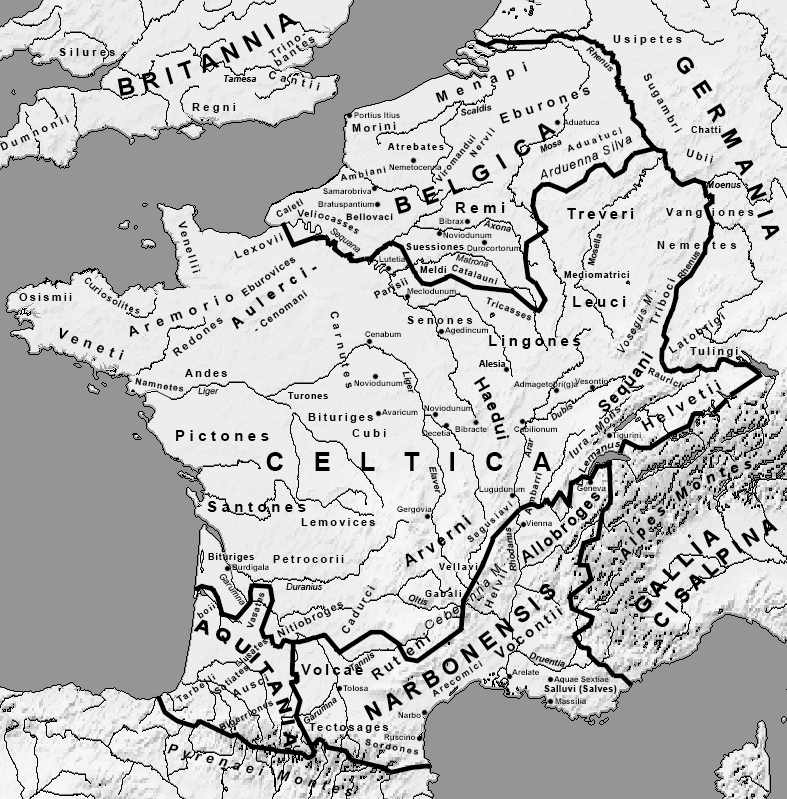
Venice is where the "Veniti" tribe lived.
Brittany: Origins
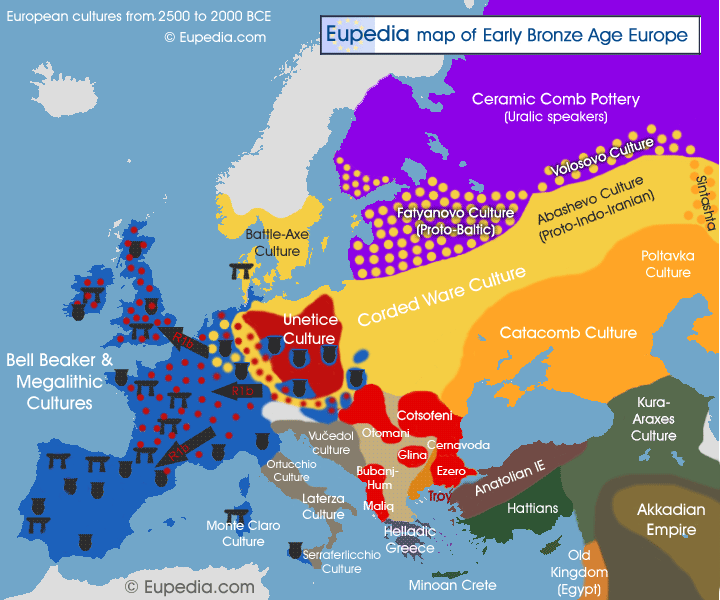
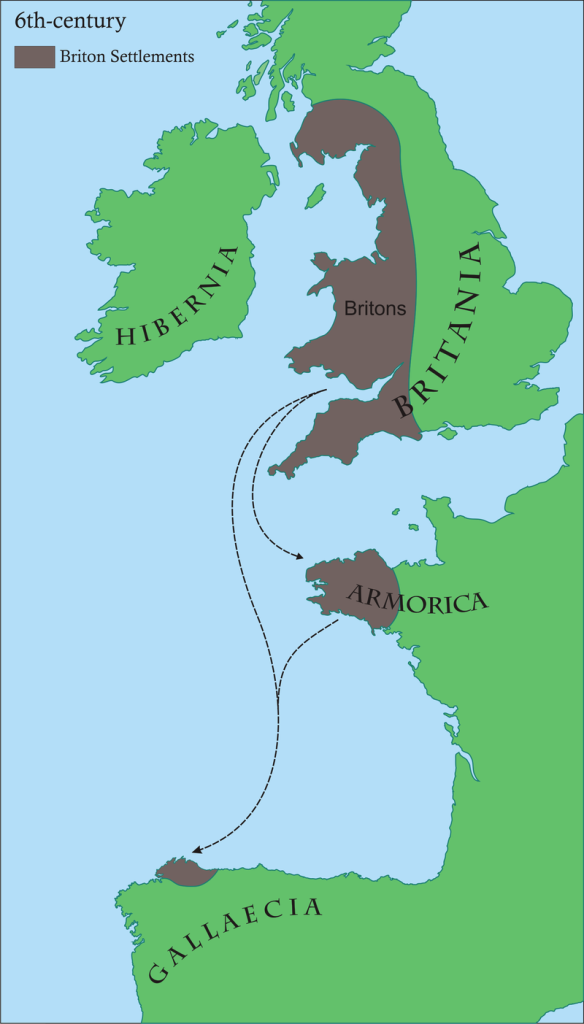
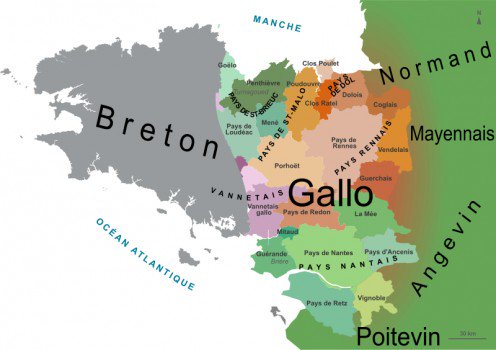
Ancient Brittany was inhabited by the Celtic Tribes of Veneti, Curiovolitae, and the Asismii in teh 3rd century BC. At this time, Brittany was known as Armorica. It was the Romans that renamed the region Britannia Minor. However, the region's current name can primarily be attributed to the Roman General Maximus, who brought over 6,000 Britons under their leader Prince, Conan, son of hte King of Wales and Albany as he left Britan in the 4th century. Further immigrates from Wales and Cornwell occupied the region in the 5th and 6th region. From these people cane Constantine, King of Brittany, who, it is said, was the Grandfather of the celebrated King Arthur of England. The Celtic Breton language is still spoken today in the western reaches of the land.
In the 6th century, Brittany began its many associations with the other states and sovereigns as the Dukes of Brittany also became the Counts of Cornwell in the south west of England. In the 9th century, the Dukes of Anjou, neighbors to the south, married the Princesses of Brittany. Then, in the 10th century, the dukes of Brittany also married into the house of the Dukes of Normandie, and Geoffrey, Duke of Brittany married Hawise, daughter of Richard II. Duke of Narmandie, in 1002.
These various associations helped to lead the conflict between the Kinds of England and the Kings of France for absolute rule over Brittany. When William the Conqueror, the Duke of Normandy, became King of England in 1066 he claimed Brittany and Normandy as possessions of the English Crown. This English possession of continental lands increased when King Henry of England married Eleanor of Aquitaine in 1152, therby acquiring most of the north and western France. However, in 1265, Brittany renewed relations with France, and was finally annexed by the French Crown in 1532, and reverted to a duchy.
Venice is where the "Veniti" tribe lived.
Brittany: Origins
Ancient Brittany was inhabited by the Celtic Tribes of Veneti, Curiovolitae, and the Asismii in teh 3rd century BC. At this time, Brittany was known as Armorica. It was the Romans that renamed the region Britannia Minor. However, the region's current name can primarily be attributed to the Roman General Maximus, who brought over 6,000 Britons under their leader Prince, Conan, son of hte King of Wales and Albany as he left Britan in the 4th century. Further immigrates from Wales and Cornwell occupied the region in the 5th and 6th region. From these people cane Constantine, King of Brittany, who, it is said, was the Grandfather of the celebrated King Arthur of England. The Celtic Breton language is still spoken today in the western reaches of the land.
In the 6th century, Brittany began its many associations with the other states and sovereigns as the Dukes of Brittany also became the Counts of Cornwell in the south west of England. In the 9th century, the Dukes of Anjou, neighbors to the south, married the Princesses of Brittany. Then, in the 10th century, the dukes of Brittany also married into the house of the Dukes of Normandie, and Geoffrey, Duke of Brittany married Hawise, daughter of Richard II. Duke of Narmandie, in 1002.
These various associations helped to lead the conflict between the Kinds of England and the Kings of France for absolute rule over Brittany. When William the Conqueror, the Duke of Normandy, became King of England in 1066 he claimed Brittany and Normandy as possessions of the English Crown. This English possession of continental lands increased when King Henry of England married Eleanor of Aquitaine in 1152, therby acquiring most of the north and western France. However, in 1265, Brittany renewed relations with France, and was finally annexed by the French Crown in 1532, and reverted to a duchy.
Saturday, April 25, 2009
Knight of the Temple of Jerusalem - Italy
John Giovanni Raciti holds a B.A. (Craft) from Monash University, a Graduate Certificate in Multimedia Authoring from Swinburne University of Technology, a Graduate Certificate in Design and Technology and a Graduate Diploma in Design from University of Technology, Sydney, FRSA,
Chev. Cav. John Giovanni Azzolina-Raciti MLJ, KTJ, OSMTH, O. de M. †.
John Giovanni Raciti was awarded the Graduate Diploma in Design with Credit from the University of Technology, Sydney on the eleventh day of May 2007 on the recommendation of the Academic Board and by the authority of the University Council.
BA CRAFT MONASH, GRAD CERT APP.MEDIA SWINBURNE, GRAD CERT DESIGN & TECHNOLOGY UTS, GRAD DIP DESIGN UTS.
Fellow of the Royal Society for the encouragement of Arts, Manufactures & Commerce - founded in 1754.
Knight of the Military & Hospitaller Order of St. Lazarus of Jerusalem - Malta (Obedience of Malta) founded in 1098. Atavis et Armis.
Knight of the Order of Our Lady of Mercy - Italy (CAVALIERI della MERCEDE - Mercedarians) founded in 1218. Redemptionem misit Dominus populo suo.
Knight of the Temple of Jerusalem - Italy (Nova Militia Christi Equites Hierosolymitani Ordine dei Cavalieri Templari Guardiani di Pace - Ordo Supremus Militaris Templi Hierosolymitani) founded in 1118. Non Nobis Domine, Non Nobis, Sed Nomine Tuo Da Gloriam. Cavalieri Templari - Guardiani di Pace con Assisi-Pax a Randazzo.
Chev. Cav. John Giovanni Azzolina-Raciti MLJ, KTJ, OSMTH, O. de M. †.
John Giovanni Raciti was awarded the Graduate Diploma in Design with Credit from the University of Technology, Sydney on the eleventh day of May 2007 on the recommendation of the Academic Board and by the authority of the University Council.
BA CRAFT MONASH, GRAD CERT APP.MEDIA SWINBURNE, GRAD CERT DESIGN & TECHNOLOGY UTS, GRAD DIP DESIGN UTS.
Fellow of the Royal Society for the encouragement of Arts, Manufactures & Commerce - founded in 1754.
Knight of the Military & Hospitaller Order of St. Lazarus of Jerusalem - Malta (Obedience of Malta) founded in 1098. Atavis et Armis.
Knight of the Order of Our Lady of Mercy - Italy (CAVALIERI della MERCEDE - Mercedarians) founded in 1218. Redemptionem misit Dominus populo suo.
Knight of the Temple of Jerusalem - Italy (Nova Militia Christi Equites Hierosolymitani Ordine dei Cavalieri Templari Guardiani di Pace - Ordo Supremus Militaris Templi Hierosolymitani) founded in 1118. Non Nobis Domine, Non Nobis, Sed Nomine Tuo Da Gloriam. Cavalieri Templari - Guardiani di Pace con Assisi-Pax a Randazzo.
Friday, April 17, 2009
John Giovanni Raciti
John Giovanni Raciti holds a B.A. (Craft) from Monash University, a Graduate Certificate in Multimedia Authoring from Swinburne University of Technology, a Graduate Certificate in Design and Technology and a Graduate Diploma in Design from University of Technology, Sydney, FRSA, MLJ, OSMTH, O. de M. †.
John Giovanni Raciti was awarded the Graduate Diploma in Design with Credit from the University of Technology, Sydney on the eleventh day of May 2007 on the recommendation of the Academic Board and by the authority of the University Council.
BA CRAFT MONASH, GRAD CERT APP.MEDIA SWINBURNE, GRAD CERT DESIGN & TECHNOLOGY UTS, GRAD DIP DESIGN UTS.
Fellow of the Royal Society for the encouragement of Arts, Manufactures & Commerce - founded in 1754.
Knight of the Military & Hospitaller Order of St. Lazarus of Jerusalem - Malta (Obedience of Malta) founded in 1098. Atavis et Armis.
Knight of the Order of Our Lady of Mercy - Italy (CAVALIERI della MERCEDE - Mercedarians) founded in 1218. Redemptionem misit Dominus populo suo.
Knight of the Temple of Jerusalem - Italy (Ordine dei Cavalieri del Tempio di Hierusalem - Ordo Supremus Militaris Templi Hierosolymitani) founded in 1118. Non Nobis Domine, Non Nobis, Sed Nomine Tuo Da Gloriam.
John Giovanni Raciti was awarded the Graduate Diploma in Design with Credit from the University of Technology, Sydney on the eleventh day of May 2007 on the recommendation of the Academic Board and by the authority of the University Council.
BA CRAFT MONASH, GRAD CERT APP.MEDIA SWINBURNE, GRAD CERT DESIGN & TECHNOLOGY UTS, GRAD DIP DESIGN UTS.
Fellow of the Royal Society for the encouragement of Arts, Manufactures & Commerce - founded in 1754.
Knight of the Military & Hospitaller Order of St. Lazarus of Jerusalem - Malta (Obedience of Malta) founded in 1098. Atavis et Armis.
Knight of the Order of Our Lady of Mercy - Italy (CAVALIERI della MERCEDE - Mercedarians) founded in 1218. Redemptionem misit Dominus populo suo.
Knight of the Temple of Jerusalem - Italy (Ordine dei Cavalieri del Tempio di Hierusalem - Ordo Supremus Militaris Templi Hierosolymitani) founded in 1118. Non Nobis Domine, Non Nobis, Sed Nomine Tuo Da Gloriam.
Friday, August 29, 2008
The Normans:
http://www.facebook.com/group.php?gid=7185440946
Provincia Di Catania/Province Of Catania:
http://www.facebook.com/group.php?gid=17357286359
http://www.facebook.com/group.php?gid=7185440946
Provincia Di Catania/Province Of Catania:
http://www.facebook.com/group.php?gid=17357286359
Topic: Anglo-Norman dna
Displaying all 4 posts.
Post #1
John wroteon May 30, 2008 at 5:11 PM
Anglo-Norman dna
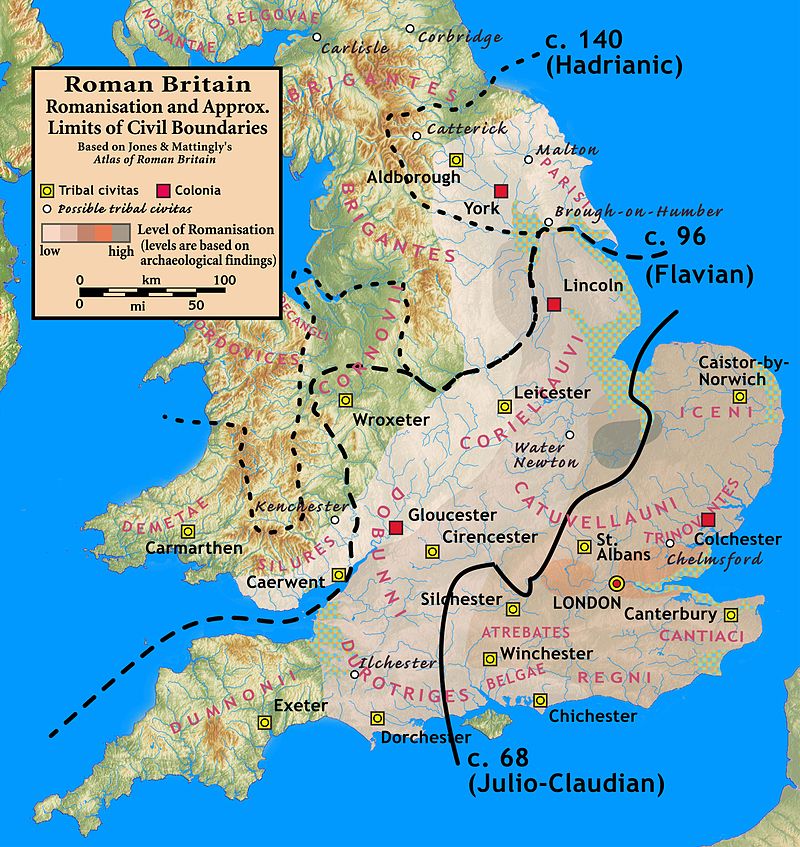
The Anglo-Normans were mainly the descendants of the Normans who ruled England following the conquest by William of Normandy in 1066, although some Normans were already in England before the conquest. Following the Battle of Hastings, the invading Normans and their descendants formed a distinct population in England. They later spoke what became the Anglo-Norman language.
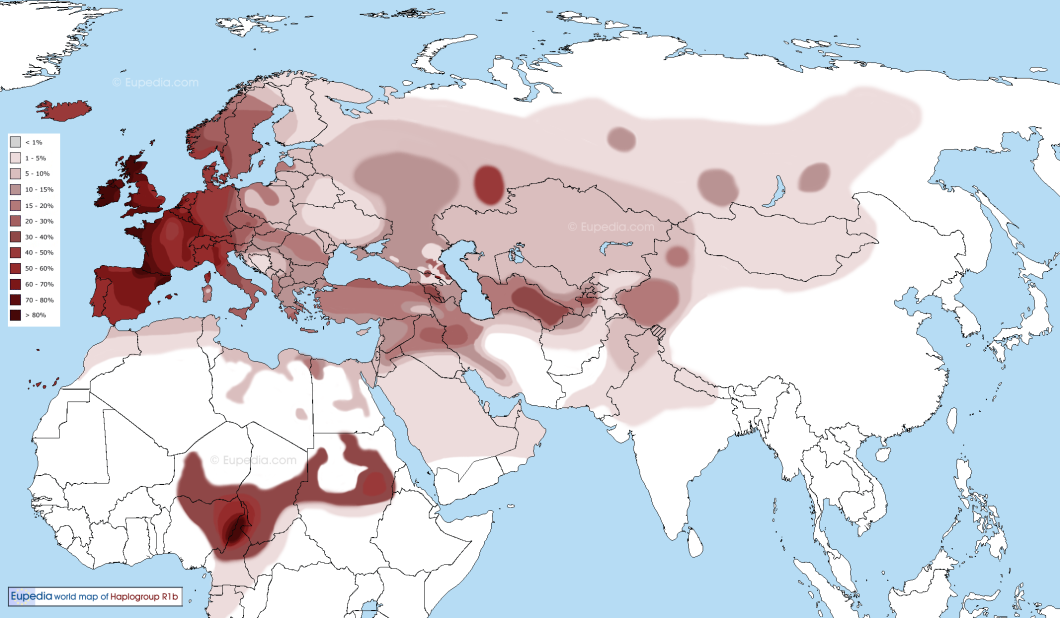
Anglo-Norman R1b1b2 THE WESTERN ATLANTIC MODAL HAPLOTYPE WAMH
Veniti tribe dna
the Curiovolitae tribe dna
the Asismii tribe dna
R1b1b2 M173+ M207+ M269+ M343+ P25+
13-24-14-11-11-14-12-12-12-13-13-29
mtDNA: U5a1a:
16157C, 16192T, 16256T, 16270T, 16320T, 16399G
16157C 16192T 16256T 16270T 16320T 16399G
"16157C 16192T 16256T 16270T 16320T 16399G"
16157C/16192T/16256T/16270T/16320T/16399G
Post #2
1 reply
John wroteon Jun 1, 2008 at 3:19 AM
Fellow ISOGG Members,
I have found a common pattern among eleven
Anglo-Norman houses with - my 12 Marker Y-DNA (Exact
Matches with 1412 people in the FTDNA Database)
Anglo-Norman families with exact matches to R1b1b2:
13-24-14-11- 11-14-12- 12-12-13- 13-29
These are the Anglo-Norman houses with exact matches:
House of Livet (Levett);
House of Malet;
House of Clare;
House of Saint-Clair;
House of Aubigny (or of Albini); Bourgeois,
Bourgondiën, Bourgeois
House of Bellême; Bell
House of Bohun;
House of Lacy; Lacy-Hulbert
House of Mortimer; Mortimer Byrd
House of Montgommery;
House of Saint-Clair; Sinclair
John Raciti
Post #3
1 reply
John replied to John's poston Jun 14, 2008 at 7:18 PM
Baron - Barone - Baro
Giovanni Merlo-Serraino-Azzolina Caggegi-Raciti
Barone di Santo Stefano di Camastra 98077
Barone di Santo Stefano di Mistretta 98077
Barone di Contrada Felicita 98077
Barone di Contrada Puzzarello 98077
Barone di Contrada Sparta 98077
Barone di Contrada Antara 98077
Exact Y-DNA matches with:
Anglo-Norman families - Y-DNA: R1b1b2: M173+ M207+ M269+ M343+ P25+
Y-DNA: R1b1b2: 13-24-14-11-11-14-12-12-12-13-13-29
House of Livet (Levett);
House of Malet;
House of Clare;
House of Saint-Clair;
House of Aubigny (or of Albini)
House of Bourgeois; Bourgondiën
House of Bellême; Bell
House of Bohun;
House of Lacy; Lacy-Hulbert
House of Mortimer; Mortimer Byrd
House of Montgommery; House of Montgomery
House of Saint-Clair; Sinclair
Post #4
John replied to John's poston Jun 29, 2008 at 1:13 AM
William D' Aubigny and Princess Adelicia Of Brabant
Born: Abt 1090 - St Sauveur, Manche, Normandie, France
origine Franchi i Bellême
William Bohun Earle of Northhamption
House of Saint-Clair; Sinclair
SINCLAIR or SEYNTCLERE or ST. CLAIR
* Agnes de CLARE (ST. CLARE) (1048? - ?) ; or: Eve de BOISSEY
* Agnes SINCLAIR (? - 1572?)
* Agnes ST. CLAIR (1066? - ?) ; or: poss. Agnes de PAGANEL or: skip
* Allan de ST. CLAIR (? - 1244+)
* Anna SINCLAIR [her child]
* Anna SINCLAIR (New York 1691 - 1743 New York)
* Annabel (of Rosslyn) SINCLAIR (? - by 1304)
* [Beatrice SINCLAIR] (Miss; of Lockerwort) HAY
* Beatrix SINCLAIR (? - by 1463)
* Catherine SINCLAIR ; or: (NN), a mistress
* Catherine de ST. CLAIR (SINCLAIR) (? - 1449+)
* Edith ST. CLERE (ST. CLAIR) (1416? - 1486?) ; (1st wife)
* Eleanor (Lady) SINCLAIR (? - 1518)
* Eleanor ST. CLERE
* Elene SINCLAIR
* Elizabeth SINCLAIR (1374? - ?)
* Elizabeth SINCLAIR (? - 1654) ; (2nd wife)
* Guillaume de SAINT-CLAIR
* Gunnora (de) ST. CLARE
* Haman (Hamon) de CREULLY (967? - 1047?) ; aka Hamo `Dentatus' ST. CLAIR
* Hamon (Hamelin Aimon) (Sn.) de CHATEAU-DU-LOIRE (975? - 1031) ; prob. same as Hamo `Dentatus' ST. CLAIR
* Hamon (Dentatus) FitzHAMO de CREVECOEUR (1006? - ?) ; aka Hamo `the Dapifer' ST. CLAIR; Lord of Cruelly; 4th Earl of CORBEIL
* Helen (Eleanor) SINCLAIR (1496? - by 1562)
* Henri de SAINT-CLAIR (? - 1096+)
* Henri `the Crusader' de ST. CLAIR (1100? - ?) ; Baron of ROSSLYN (Roslin); (accompanied Godroi de Bouillon on the First Crusade)
* Henri `the Councellor' de ST. CLAIR (1131? - 1180?) ; 3rd Baron of Roslin
* Henri de ST. CLAIR (1192? - 1222+) ; Baron of Roslin
* Henri (or William) de ST. CLAIR (1222? - 1270?) ; 5th Baron of Roslin
* Henry (Sir; of ROSLIN) SINCLAIR (1280? - 1335?)
* Henry (5th Lord) SINCLAIR (1528 - 1601)
* Henry II SINCLAIR (ST. CLAIR) (? - 1422) ; 2nd Earl of ORKNEY
* Henry (3rd Lord) SINCLAIR (? - 9/9/1513)
* Henry ST. CLAIR (SINCLAIR) (1280? - 1335?) ; 7th Baron of ROSLIN (Rosslyn); Commander of Knights Templar at Bannockburn
* Henry ST. CLAIR (SINCLAIR) (1340? - by 1404) ; 1st Earl of ORKNEY; Lord/Prince of SHETLAND
* Henry de ST.~CLAIR [his child]
* James SINCLAIR
* Janet SINCLAIR (1515? - ?)
* Janet(?) SINCLAIR (ST. CLAIR)
* Jean (of ORKNEY) SINCLAIR ; or: poss. Margaret
* Jean (Janet) SINCLAIR (1505? - ?)
* John (Sir; of HERDMANSTON) SINCLAIR
* John (Sir; of DUNGLASS ?) SINCLAIR
* John (Lawrence) SINCLAIR
* John (Sir; of HERDMANSTON) SINCLAIR (? - 1377+) ; (ST. CLAIR)
* John (Sir; of Deskford & Findlater) SINCLAIR (? - 1411)
* John SINCLAIR (? - 1411?)
* John SINCLAIR (? - 1466)
* John ST. CLAIR
* John ST. CLAIR
* John ST. CLAIR (? - 1314+)
* John (Sir) ST. CLAIR (? - 1402)
* John ST. CLARE
* John ST. CLARE
* John ST.~CLARE [his child]
* Katherine SINCLAIR (? - by 1526)
* Katherine ST. CLAIR [alt ped] (? - 1449+)
* Margaret SINCLAIR
* Margaret ST. CLAIR (SINCLAIR)
* Mariot ST. CLAIR
* Mariota SINCLAIR
* Marjory SINCLAIR ; aka Marjory of ORKNEY
* Mathilde de SAINT-CLAIR
* Mauger `the Young' of NORMANDY (986? - 1040?) ; Count de ST. CLAIR; Count de MORTAIN & Corbuel
* Philip ST. CLAIR (? - 1408?) ; (ST. CLERE; SEYNTCLERE)
* Philip ST. CLERE
* Richard de SAINT-CLAIR
* Richard SINCLAIR
* Robert SINCLAIR (Orkney Isl. 1660? - 1704 NY)
* Robert de ST. CLAIR (Normandy)
* Sybil de ST. CLARE ; aka Sibylla de ST. CLEERE
* Thomas ST. CLAIRE (1394? - 1434) ; ST. CLERE; ST. CLAIR
* Walderne (Earl) de ST. CLAIR (1006? - 1047?) ; (Waldonius)
* Waldron (Earl) de ST. CLARE (1010? - 1047?) ; aka Walderne (Gaudron Walderon) de CLARE
* William SINCLAIR
* William SINCLAIR (1240? - 1297?) ; 6th Baron of Roslin
* William (Sir; of ROSLIN) SINCLAIR (? - 1264+) ; Sheriff of Edinburgh
* William SINCLAIR (ST. CLAIR) (? - 1480?) ; 3rd Earl of ORKNEY; Earl of Caithness; 1st Lord SINCLAIR; Chancellor; (Elizabeth's 3rd husband)
* William (2nd Lord) SINCLAIR (? - 1487) ; `the Waster'; (he was disinherited by his father)
* William (4th Lord) SINCLAIR (? - 1570+)
* William `the Seemly' de ST. CLAIR (1028? - ?) ; 1st Baron of Roslin (Rosslyn); SINCLAIR
* William de ST. CLAIR (SINCLAIR) (1162? - 1214) ; 4th Baron of Roslin
* William (II) ST. CLAIR (1328? - 1358+) ; Laird of ROSSLYN
* William ST. CLAIR (? - 1325+)
* William ST. CLAIR (? - 1415+)
* William (Sir) ST. CLAIR (? - 1450+ ?) ; of Herdmanston (Hermanstoun)
* William ST. CLAIR (SINCLAIR) (Rosslyn, Scotl. 1307? - 1330 Spain)
* William de ST. CLARE
Displaying all 4 posts.
Post #1
John wroteon May 30, 2008 at 5:11 PM
Anglo-Norman dna
The Anglo-Normans were mainly the descendants of the Normans who ruled England following the conquest by William of Normandy in 1066, although some Normans were already in England before the conquest. Following the Battle of Hastings, the invading Normans and their descendants formed a distinct population in England. They later spoke what became the Anglo-Norman language.
Anglo-Norman R1b1b2 THE WESTERN ATLANTIC MODAL HAPLOTYPE WAMH
Veniti tribe dna
the Curiovolitae tribe dna
the Asismii tribe dna
R1b1b2 M173+ M207+ M269+ M343+ P25+
13-24-14-11-11-14-12-12-12-13-13-29
mtDNA: U5a1a:
16157C, 16192T, 16256T, 16270T, 16320T, 16399G
16157C 16192T 16256T 16270T 16320T 16399G
"16157C 16192T 16256T 16270T 16320T 16399G"
16157C/16192T/16256T/16270T/16320T/16399G
Post #2
1 reply
John wroteon Jun 1, 2008 at 3:19 AM
Fellow ISOGG Members,
I have found a common pattern among eleven
Anglo-Norman houses with - my 12 Marker Y-DNA (Exact
Matches with 1412 people in the FTDNA Database)
Anglo-Norman families with exact matches to R1b1b2:
13-24-14-11- 11-14-12- 12-12-13- 13-29
These are the Anglo-Norman houses with exact matches:
House of Livet (Levett);
House of Malet;
House of Clare;
House of Saint-Clair;
House of Aubigny (or of Albini); Bourgeois,
Bourgondiën, Bourgeois
House of Bellême; Bell
House of Bohun;
House of Lacy; Lacy-Hulbert
House of Mortimer; Mortimer Byrd
House of Montgommery;
House of Saint-Clair; Sinclair
John Raciti
Post #3
1 reply
John replied to John's poston Jun 14, 2008 at 7:18 PM
Baron - Barone - Baro
Giovanni Merlo-Serraino-Azzolina Caggegi-Raciti
Barone di Santo Stefano di Camastra 98077
Barone di Santo Stefano di Mistretta 98077
Barone di Contrada Felicita 98077
Barone di Contrada Puzzarello 98077
Barone di Contrada Sparta 98077
Barone di Contrada Antara 98077
Exact Y-DNA matches with:
Anglo-Norman families - Y-DNA: R1b1b2: M173+ M207+ M269+ M343+ P25+
Y-DNA: R1b1b2: 13-24-14-11-11-14-12-12-12-13-13-29
House of Livet (Levett);
House of Malet;
House of Clare;
House of Saint-Clair;
House of Aubigny (or of Albini)
House of Bourgeois; Bourgondiën
House of Bellême; Bell
House of Bohun;
House of Lacy; Lacy-Hulbert
House of Mortimer; Mortimer Byrd
House of Montgommery; House of Montgomery
House of Saint-Clair; Sinclair
Post #4
John replied to John's poston Jun 29, 2008 at 1:13 AM
William D' Aubigny and Princess Adelicia Of Brabant
Born: Abt 1090 - St Sauveur, Manche, Normandie, France
origine Franchi i Bellême
William Bohun Earle of Northhamption
House of Saint-Clair; Sinclair
SINCLAIR or SEYNTCLERE or ST. CLAIR
* Agnes de CLARE (ST. CLARE) (1048? - ?) ; or: Eve de BOISSEY
* Agnes SINCLAIR (? - 1572?)
* Agnes ST. CLAIR (1066? - ?) ; or: poss. Agnes de PAGANEL or: skip
* Allan de ST. CLAIR (? - 1244+)
* Anna SINCLAIR [her child]
* Anna SINCLAIR (New York 1691 - 1743 New York)
* Annabel (of Rosslyn) SINCLAIR (? - by 1304)
* [Beatrice SINCLAIR] (Miss; of Lockerwort) HAY
* Beatrix SINCLAIR (? - by 1463)
* Catherine SINCLAIR ; or: (NN), a mistress
* Catherine de ST. CLAIR (SINCLAIR) (? - 1449+)
* Edith ST. CLERE (ST. CLAIR) (1416? - 1486?) ; (1st wife)
* Eleanor (Lady) SINCLAIR (? - 1518)
* Eleanor ST. CLERE
* Elene SINCLAIR
* Elizabeth SINCLAIR (1374? - ?)
* Elizabeth SINCLAIR (? - 1654) ; (2nd wife)
* Guillaume de SAINT-CLAIR
* Gunnora (de) ST. CLARE
* Haman (Hamon) de CREULLY (967? - 1047?) ; aka Hamo `Dentatus' ST. CLAIR
* Hamon (Hamelin Aimon) (Sn.) de CHATEAU-DU-LOIRE (975? - 1031) ; prob. same as Hamo `Dentatus' ST. CLAIR
* Hamon (Dentatus) FitzHAMO de CREVECOEUR (1006? - ?) ; aka Hamo `the Dapifer' ST. CLAIR; Lord of Cruelly; 4th Earl of CORBEIL
* Helen (Eleanor) SINCLAIR (1496? - by 1562)
* Henri de SAINT-CLAIR (? - 1096+)
* Henri `the Crusader' de ST. CLAIR (1100? - ?) ; Baron of ROSSLYN (Roslin); (accompanied Godroi de Bouillon on the First Crusade)
* Henri `the Councellor' de ST. CLAIR (1131? - 1180?) ; 3rd Baron of Roslin
* Henri de ST. CLAIR (1192? - 1222+) ; Baron of Roslin
* Henri (or William) de ST. CLAIR (1222? - 1270?) ; 5th Baron of Roslin
* Henry (Sir; of ROSLIN) SINCLAIR (1280? - 1335?)
* Henry (5th Lord) SINCLAIR (1528 - 1601)
* Henry II SINCLAIR (ST. CLAIR) (? - 1422) ; 2nd Earl of ORKNEY
* Henry (3rd Lord) SINCLAIR (? - 9/9/1513)
* Henry ST. CLAIR (SINCLAIR) (1280? - 1335?) ; 7th Baron of ROSLIN (Rosslyn); Commander of Knights Templar at Bannockburn
* Henry ST. CLAIR (SINCLAIR) (1340? - by 1404) ; 1st Earl of ORKNEY; Lord/Prince of SHETLAND
* Henry de ST.~CLAIR [his child]
* James SINCLAIR
* Janet SINCLAIR (1515? - ?)
* Janet(?) SINCLAIR (ST. CLAIR)
* Jean (of ORKNEY) SINCLAIR ; or: poss. Margaret
* Jean (Janet) SINCLAIR (1505? - ?)
* John (Sir; of HERDMANSTON) SINCLAIR
* John (Sir; of DUNGLASS ?) SINCLAIR
* John (Lawrence) SINCLAIR
* John (Sir; of HERDMANSTON) SINCLAIR (? - 1377+) ; (ST. CLAIR)
* John (Sir; of Deskford & Findlater) SINCLAIR (? - 1411)
* John SINCLAIR (? - 1411?)
* John SINCLAIR (? - 1466)
* John ST. CLAIR
* John ST. CLAIR
* John ST. CLAIR (? - 1314+)
* John (Sir) ST. CLAIR (? - 1402)
* John ST. CLARE
* John ST. CLARE
* John ST.~CLARE [his child]
* Katherine SINCLAIR (? - by 1526)
* Katherine ST. CLAIR [alt ped] (? - 1449+)
* Margaret SINCLAIR
* Margaret ST. CLAIR (SINCLAIR)
* Mariot ST. CLAIR
* Mariota SINCLAIR
* Marjory SINCLAIR ; aka Marjory of ORKNEY
* Mathilde de SAINT-CLAIR
* Mauger `the Young' of NORMANDY (986? - 1040?) ; Count de ST. CLAIR; Count de MORTAIN & Corbuel
* Philip ST. CLAIR (? - 1408?) ; (ST. CLERE; SEYNTCLERE)
* Philip ST. CLERE
* Richard de SAINT-CLAIR
* Richard SINCLAIR
* Robert SINCLAIR (Orkney Isl. 1660? - 1704 NY)
* Robert de ST. CLAIR (Normandy)
* Sybil de ST. CLARE ; aka Sibylla de ST. CLEERE
* Thomas ST. CLAIRE (1394? - 1434) ; ST. CLERE; ST. CLAIR
* Walderne (Earl) de ST. CLAIR (1006? - 1047?) ; (Waldonius)
* Waldron (Earl) de ST. CLARE (1010? - 1047?) ; aka Walderne (Gaudron Walderon) de CLARE
* William SINCLAIR
* William SINCLAIR (1240? - 1297?) ; 6th Baron of Roslin
* William (Sir; of ROSLIN) SINCLAIR (? - 1264+) ; Sheriff of Edinburgh
* William SINCLAIR (ST. CLAIR) (? - 1480?) ; 3rd Earl of ORKNEY; Earl of Caithness; 1st Lord SINCLAIR; Chancellor; (Elizabeth's 3rd husband)
* William (2nd Lord) SINCLAIR (? - 1487) ; `the Waster'; (he was disinherited by his father)
* William (4th Lord) SINCLAIR (? - 1570+)
* William `the Seemly' de ST. CLAIR (1028? - ?) ; 1st Baron of Roslin (Rosslyn); SINCLAIR
* William de ST. CLAIR (SINCLAIR) (1162? - 1214) ; 4th Baron of Roslin
* William (II) ST. CLAIR (1328? - 1358+) ; Laird of ROSSLYN
* William ST. CLAIR (? - 1325+)
* William ST. CLAIR (? - 1415+)
* William (Sir) ST. CLAIR (? - 1450+ ?) ; of Herdmanston (Hermanstoun)
* William ST. CLAIR (SINCLAIR) (Rosslyn, Scotl. 1307? - 1330 Spain)
* William de ST. CLARE
Sunday, June 15, 2008
Y-DNA: R1b1b2: 13-24-14-11-11-14-12-12-12-13-13-29
Exact Y-DNA matches with:
Anglo-Norman families - Y-DNA: R1b1b2: M173+ M207+ M269+ M343+ P25+
Y-DNA: R1b1b2: 13-24-14-11-11-14-12-12-12-13-13-29
House of Livet (Levett);
House of Malet;
House of Clare;
House of Saint-Clair;
House of Aubigny (or of Albini)
House of Bourgeois; Bourgondiën
House of Bellême; Bell
House of Bohun;
House of Lacy; Lacy-Hulbert
House of Mortimer; Mortimer Byrd
House of Montgommery; House of Montgomery
House of Saint-Clair; Sinclair
Spelling variations of this family name include: Lévis, Lévi, Lévie, Le Vie, de Lévis, de Lévie, de Lévis, Lévy, Levison, Levisonne, Levisonnes, Levisson, Levissonne, Levissonnes, Levisons, Levissons, Levisont, Levisonts, Levisond, Levisonds, Levey, Lévee, Levis
First found in Ile-de-France, where this remarkable family has been traced since the 12th century.
Spelling variations of this family name include: Lovatt, Lovat, Lovet, Lovett, Lovit, Lovitt
First found in Buckingham where they were seated from very early times and were granted lands by Duke William of Normandy, their liege Lord, for their distinguished assistance at the Battle of Hastings in 1066 A.D.
A multitude of spelling variations characterize Norman surnames. Many variations occurred because Old and Middle English lacked any definite spelling rules. The introduction of Norman French to England also had a pronounced effect, as did the court languages of Latin and French. Therefore, one person was often referred to by several different spellings in a single lifetime. The various spellings include Mallet, Mallett, Mallit, Mallitt, Malott, Mallot.
First found in Suffolk where they were seated as Lords of the Manor of Cidestan.
Endless spelling variations are a prevailing characteristic of Norman surnames. Old and Middle English lacked any definite spelling rules, and the introduction of Norman French added an unfamiliar ingredient to the English linguistic stew. French and Latin, the languages of the court, also influenced spellings. Finally, Medieval scribes generally spelled words according to how they sounded, so one person was often referred to by different spellings in different documents. The name has been spelled Clair, Clare, Clere, O'Clear, O'Clair.
First found in Suffolk where they were seated from very early times and were granted lands by Duke William of Normandy, their liege Lord, for their distinguished assistance at the Battle of Hastings in 1066 A.D.
Spelling variations of this family name include: Sinclair, Saint Clare, Sancto Claro, Singular, Sinclaire, Seincler, Sanclar, Sincklair, Sinclear, Sincler.
First found in the barony of Roslyn near Edinburgh in Scotland.
Many cultural groups lived in the German states in medieval times. Each had its own dialect and traditions, and unique variations of popular names. Low German, which is similar to contemporary Dutch, was spoken in Westphalia. German names are characterized by additions such as regional suffixes and phrases that tell something about the origin or background of its original bearer. Further contributing to the variation in German names was the fact that there were no spelling rules in medieval times: scribes recorded names according to their sound. The recorded spelling variations of Albini include Albini, Albinie, Allbini, Albinni, Albinnie
First found in Bavaria, where the name Albini became noted for its many branches with the region, each house acquiring a status and influence which was envied by the princes of the region.
Throughout the course of history most surnames have undergone changes for many reasons. During the early development of the French language, a son and father may not have chosen to spell their name the same way. Many are simple spelling changes by a person who gave his name, phonetically, to a scribe, priest, or recorder. Many names held prefixes or suffixes which became optional as they passed through the centuries, or were adopted by different branches to signify either a political or religious adherence. Hence, we have many spelling variations of this name, Bourgeois some of which are Bourgeois, Bourgois, Bourgeoys, Bourgeot, Le Bourgeois, de Bourgeois, Bourjois, Bourgès, Bourgeix
First found in Brittany, where the family first originated and maintained their status as one of the more distinguished families of the region.
Norman surnames are characterized by a multitude of spelling variations. The frequent changes in surnames are largely due to the fact that the Old and Middle English languages lacked definite spelling rules. The introduction of Norman French to England, as well as the official court languages of Latin and French, also had pronounced influences on the spelling of surnames. Since medieval scribes and church officials recorded names as they sounded, rather than adhering to any specific spelling rules, it was common to find the same individual referred to with different spellings. The name has been spelled Bellamy, Belamy, Bellamie, Belamie, Bellamey, Bellame, Bellasme, Bellamly.
First found in Shropshire, where they had been granted lands by King William, their liege lord, after the Norman Conquest in 1066 A.D.
Anglo-Norman names tend to be marked by an enormous number of spelling variations. This is largely due to the fact that Old and Middle English lacked any spelling rules when Norman French was introduced in the 11th century. The languages of the English courts at that time were French and Latin. These various languages mixed quite freely in the evolving social milieu. The final element of this mix is that medieval scribes spelled words according to their sounds rather than any definite rules, so a name was often spelled in as many different ways as the number of documents it appeared in. The name was spelled Bohon, Bohun, Bone, Boon, Boone, Bohan, Bound.
First found in Sussex, where they had been granted lands by King William after the Norman Conquest in 1066.
Church officials and medieval scribes often spelled early surnames as they sounded. This practice often resulted in many spelling variations of even a single name. Early versions of the name Lacy included: Lacey, Lacie, Lacy, de Lacy, Lasey, Lassey.
First found in county Limerick where they had been granted lands by Strongbow after the invasion of Ireland in 1172.
Norman surnames are characterized by a multitude of spelling variations. The frequent changes in surnames are largely due to the fact that the Old and Middle English languages lacked definite spelling rules. The introduction of Norman French to England, as well as the official court languages of Latin and French, also had pronounced influences on the spelling of surnames. Since medieval scribes and church officials recorded names as they sounded, rather than adhering to any specific spelling rules, it was common to find the same individual referred to with different spellings. The name has been spelled Mortimer, Mortimor.
First found in Herefordshire where they were seated from very early times and were granted lands by Duke William of Normandy, their liege Lord, for their distinguished assistance at the Battle of Hastings in 1066 A.D.
Spelling variations of this family name include: Montgomery, Mongomery, Montgomerie, Mungummery.
First found in Renfrewshire (Gaelic: Siorrachd Rinn Friù), a historic county of Scotland, today encompassing the Council Areas of Renfrew, East Renfrewshire, and Iverclyde, in the Strathclyde region of southwestern Scotland, where they were granted lands by Malcolm Canmore, King of Scotland.
Anglo-Norman families - Y-DNA: R1b1b2: M173+ M207+ M269+ M343+ P25+
Y-DNA: R1b1b2: 13-24-14-11-11-14-12-12-12-13-13-29
House of Livet (Levett);
House of Malet;
House of Clare;
House of Saint-Clair;
House of Aubigny (or of Albini)
House of Bourgeois; Bourgondiën
House of Bellême; Bell
House of Bohun;
House of Lacy; Lacy-Hulbert
House of Mortimer; Mortimer Byrd
House of Montgommery; House of Montgomery
House of Saint-Clair; Sinclair
Spelling variations of this family name include: Lévis, Lévi, Lévie, Le Vie, de Lévis, de Lévie, de Lévis, Lévy, Levison, Levisonne, Levisonnes, Levisson, Levissonne, Levissonnes, Levisons, Levissons, Levisont, Levisonts, Levisond, Levisonds, Levey, Lévee, Levis
First found in Ile-de-France, where this remarkable family has been traced since the 12th century.
Spelling variations of this family name include: Lovatt, Lovat, Lovet, Lovett, Lovit, Lovitt
First found in Buckingham where they were seated from very early times and were granted lands by Duke William of Normandy, their liege Lord, for their distinguished assistance at the Battle of Hastings in 1066 A.D.
A multitude of spelling variations characterize Norman surnames. Many variations occurred because Old and Middle English lacked any definite spelling rules. The introduction of Norman French to England also had a pronounced effect, as did the court languages of Latin and French. Therefore, one person was often referred to by several different spellings in a single lifetime. The various spellings include Mallet, Mallett, Mallit, Mallitt, Malott, Mallot.
First found in Suffolk where they were seated as Lords of the Manor of Cidestan.
Endless spelling variations are a prevailing characteristic of Norman surnames. Old and Middle English lacked any definite spelling rules, and the introduction of Norman French added an unfamiliar ingredient to the English linguistic stew. French and Latin, the languages of the court, also influenced spellings. Finally, Medieval scribes generally spelled words according to how they sounded, so one person was often referred to by different spellings in different documents. The name has been spelled Clair, Clare, Clere, O'Clear, O'Clair.
First found in Suffolk where they were seated from very early times and were granted lands by Duke William of Normandy, their liege Lord, for their distinguished assistance at the Battle of Hastings in 1066 A.D.
Spelling variations of this family name include: Sinclair, Saint Clare, Sancto Claro, Singular, Sinclaire, Seincler, Sanclar, Sincklair, Sinclear, Sincler.
First found in the barony of Roslyn near Edinburgh in Scotland.
Many cultural groups lived in the German states in medieval times. Each had its own dialect and traditions, and unique variations of popular names. Low German, which is similar to contemporary Dutch, was spoken in Westphalia. German names are characterized by additions such as regional suffixes and phrases that tell something about the origin or background of its original bearer. Further contributing to the variation in German names was the fact that there were no spelling rules in medieval times: scribes recorded names according to their sound. The recorded spelling variations of Albini include Albini, Albinie, Allbini, Albinni, Albinnie
First found in Bavaria, where the name Albini became noted for its many branches with the region, each house acquiring a status and influence which was envied by the princes of the region.
Throughout the course of history most surnames have undergone changes for many reasons. During the early development of the French language, a son and father may not have chosen to spell their name the same way. Many are simple spelling changes by a person who gave his name, phonetically, to a scribe, priest, or recorder. Many names held prefixes or suffixes which became optional as they passed through the centuries, or were adopted by different branches to signify either a political or religious adherence. Hence, we have many spelling variations of this name, Bourgeois some of which are Bourgeois, Bourgois, Bourgeoys, Bourgeot, Le Bourgeois, de Bourgeois, Bourjois, Bourgès, Bourgeix
First found in Brittany, where the family first originated and maintained their status as one of the more distinguished families of the region.
Norman surnames are characterized by a multitude of spelling variations. The frequent changes in surnames are largely due to the fact that the Old and Middle English languages lacked definite spelling rules. The introduction of Norman French to England, as well as the official court languages of Latin and French, also had pronounced influences on the spelling of surnames. Since medieval scribes and church officials recorded names as they sounded, rather than adhering to any specific spelling rules, it was common to find the same individual referred to with different spellings. The name has been spelled Bellamy, Belamy, Bellamie, Belamie, Bellamey, Bellame, Bellasme, Bellamly.
First found in Shropshire, where they had been granted lands by King William, their liege lord, after the Norman Conquest in 1066 A.D.
Anglo-Norman names tend to be marked by an enormous number of spelling variations. This is largely due to the fact that Old and Middle English lacked any spelling rules when Norman French was introduced in the 11th century. The languages of the English courts at that time were French and Latin. These various languages mixed quite freely in the evolving social milieu. The final element of this mix is that medieval scribes spelled words according to their sounds rather than any definite rules, so a name was often spelled in as many different ways as the number of documents it appeared in. The name was spelled Bohon, Bohun, Bone, Boon, Boone, Bohan, Bound.
First found in Sussex, where they had been granted lands by King William after the Norman Conquest in 1066.
Church officials and medieval scribes often spelled early surnames as they sounded. This practice often resulted in many spelling variations of even a single name. Early versions of the name Lacy included: Lacey, Lacie, Lacy, de Lacy, Lasey, Lassey.
First found in county Limerick where they had been granted lands by Strongbow after the invasion of Ireland in 1172.
Norman surnames are characterized by a multitude of spelling variations. The frequent changes in surnames are largely due to the fact that the Old and Middle English languages lacked definite spelling rules. The introduction of Norman French to England, as well as the official court languages of Latin and French, also had pronounced influences on the spelling of surnames. Since medieval scribes and church officials recorded names as they sounded, rather than adhering to any specific spelling rules, it was common to find the same individual referred to with different spellings. The name has been spelled Mortimer, Mortimor.
First found in Herefordshire where they were seated from very early times and were granted lands by Duke William of Normandy, their liege Lord, for their distinguished assistance at the Battle of Hastings in 1066 A.D.
Spelling variations of this family name include: Montgomery, Mongomery, Montgomerie, Mungummery.
First found in Renfrewshire (Gaelic: Siorrachd Rinn Friù), a historic county of Scotland, today encompassing the Council Areas of Renfrew, East Renfrewshire, and Iverclyde, in the Strathclyde region of southwestern Scotland, where they were granted lands by Malcolm Canmore, King of Scotland.
Subscribe to:
Posts (Atom)